NiftyFifty
Quilt Block Swaps
Block swaps, quilting bees, quilt-alongs, round robins, and mystery quilts — the longest-running online quilting exchange community in the US. A tradition since 1997, with 30+ organized swaps and quilters from all 50 states.
New to swapping? Take the 3-minute practice tour — click through the whole thing on example data first.
What comes back in the mail
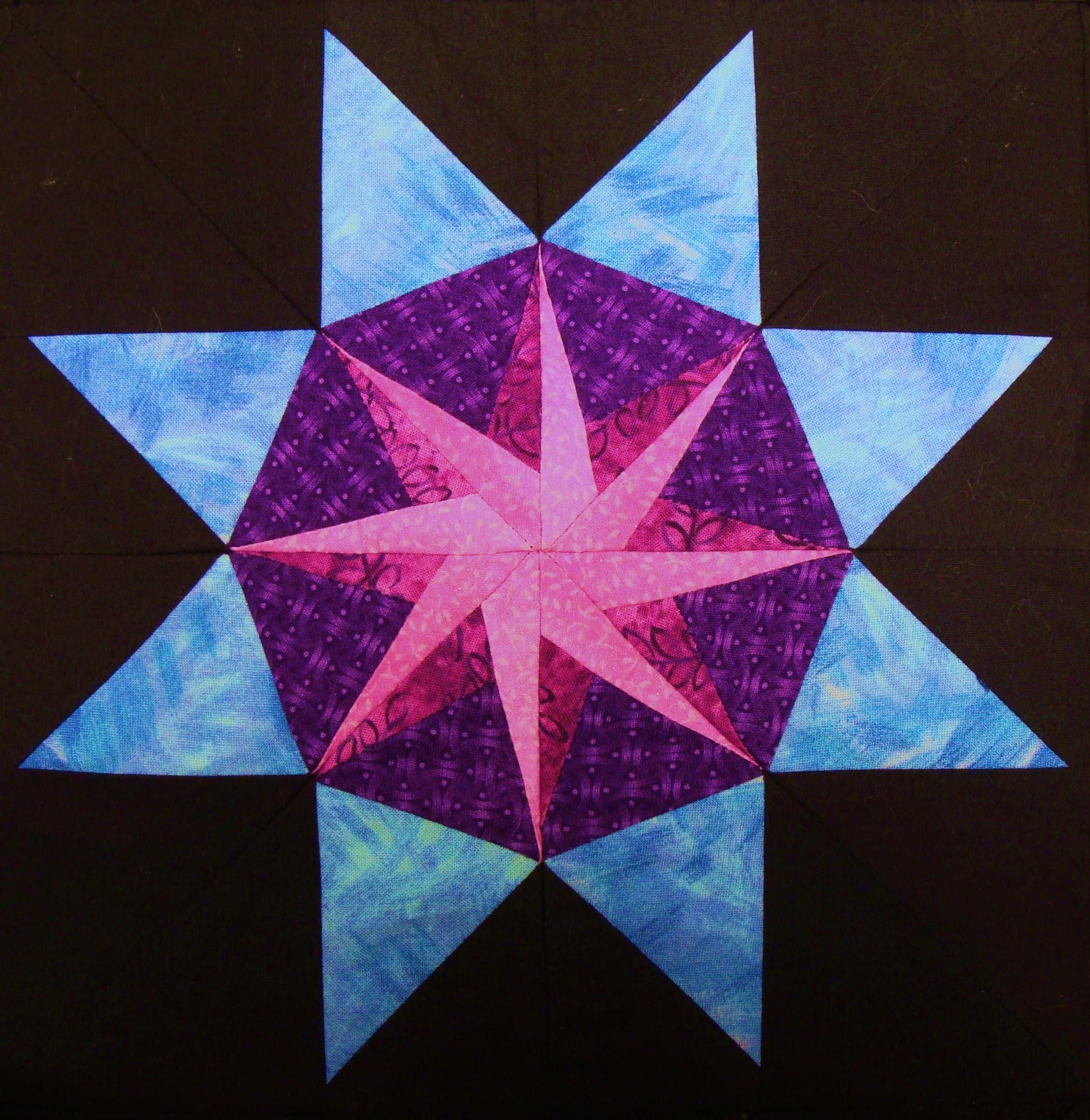
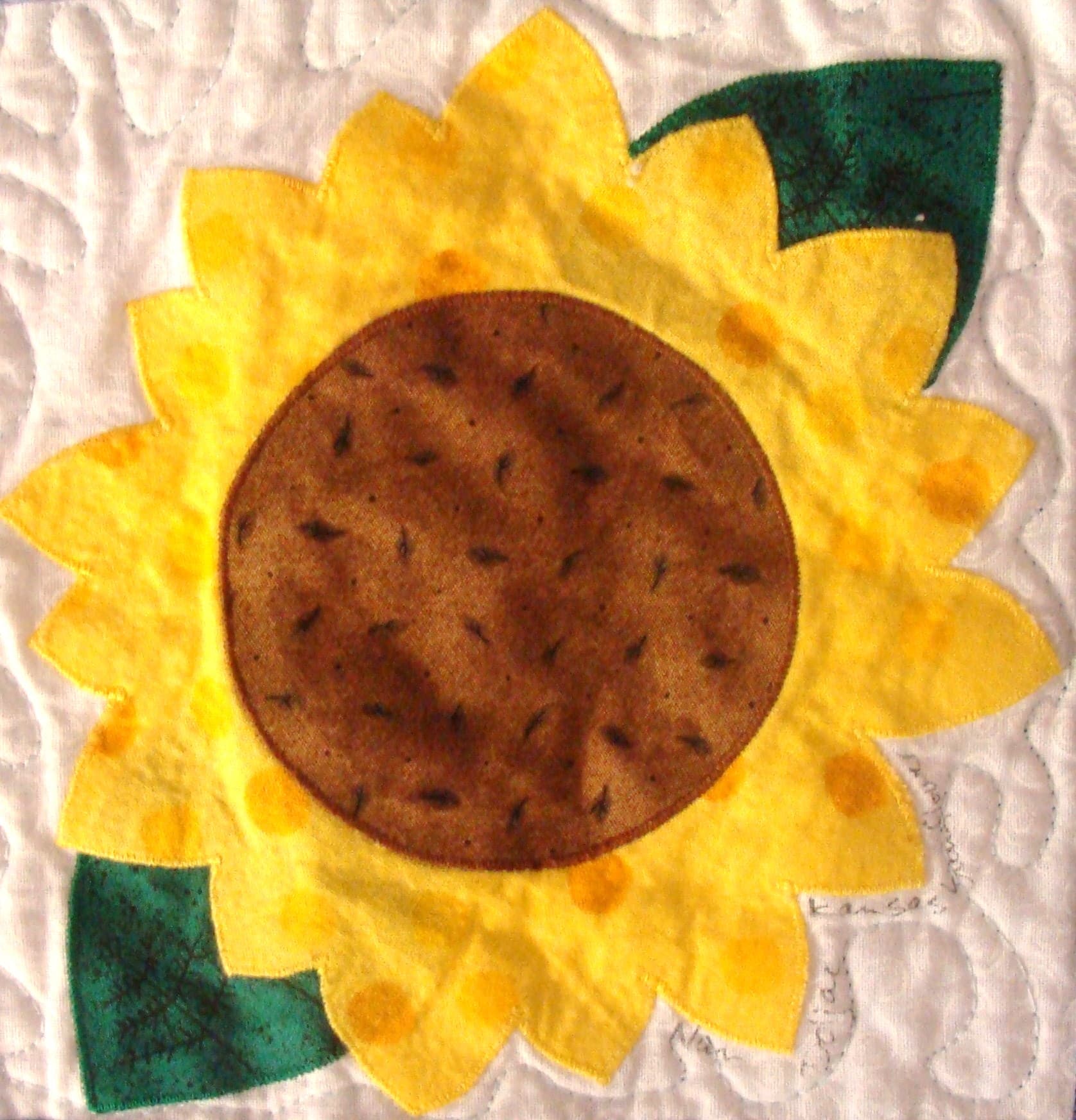
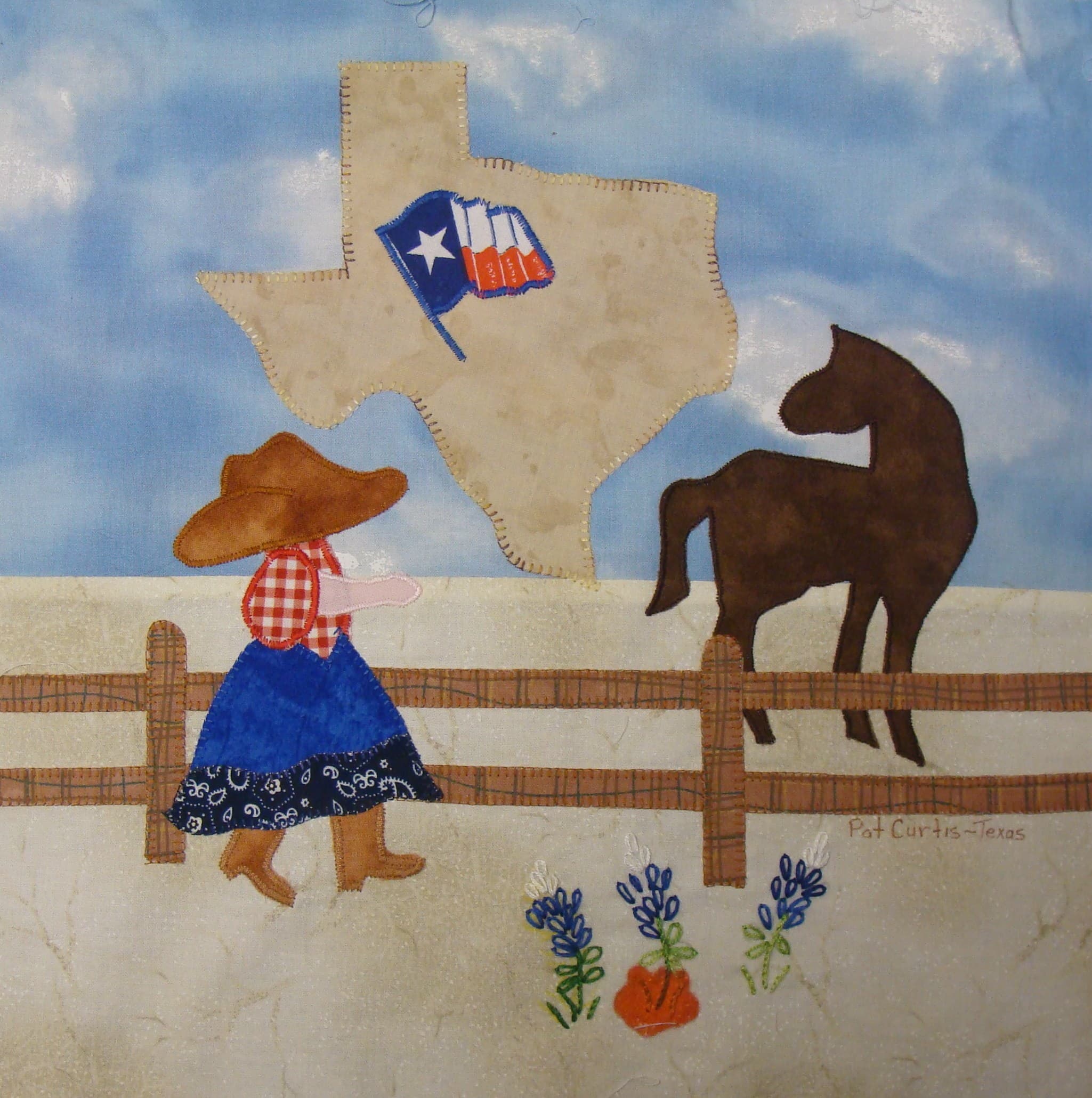
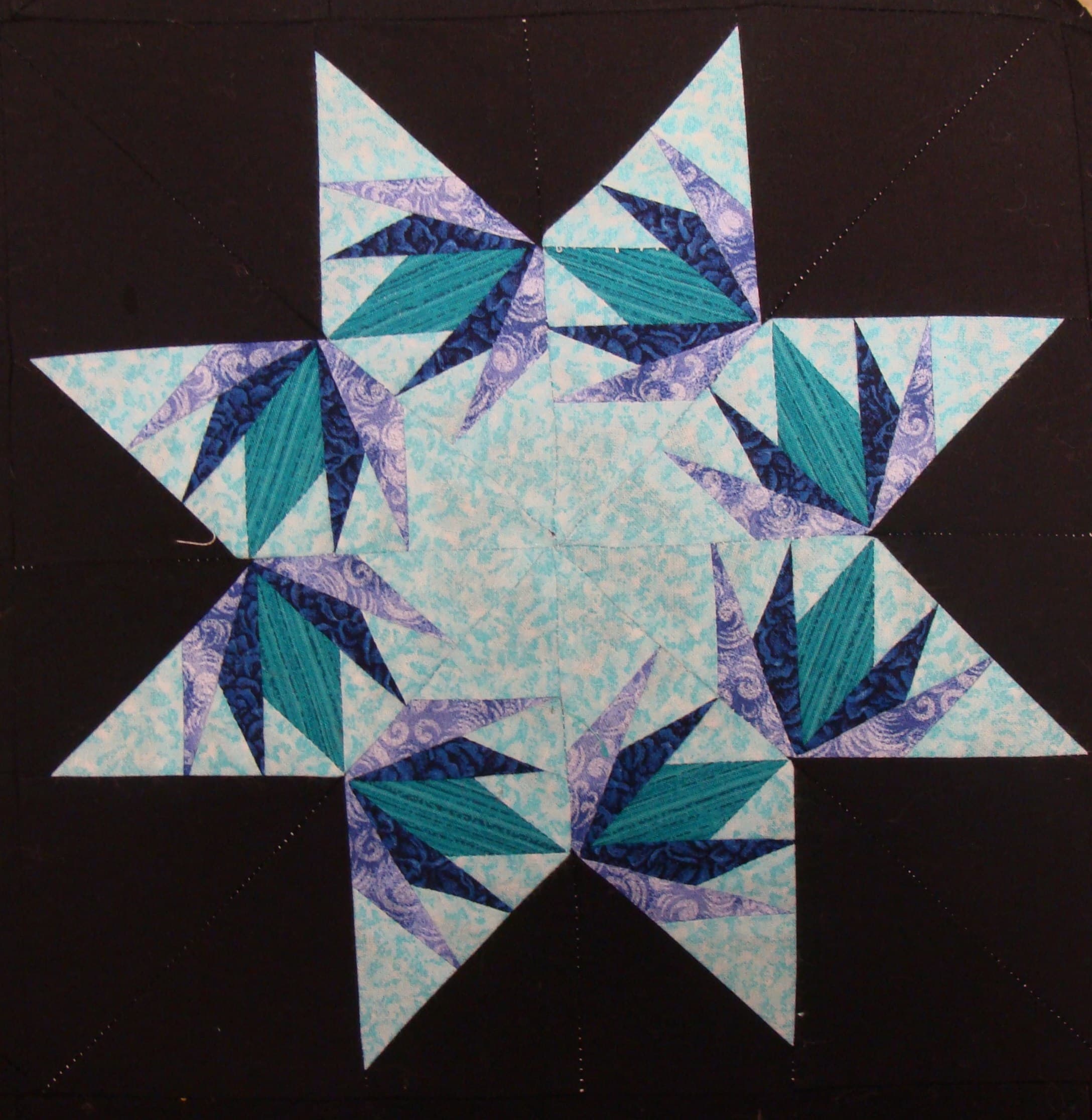
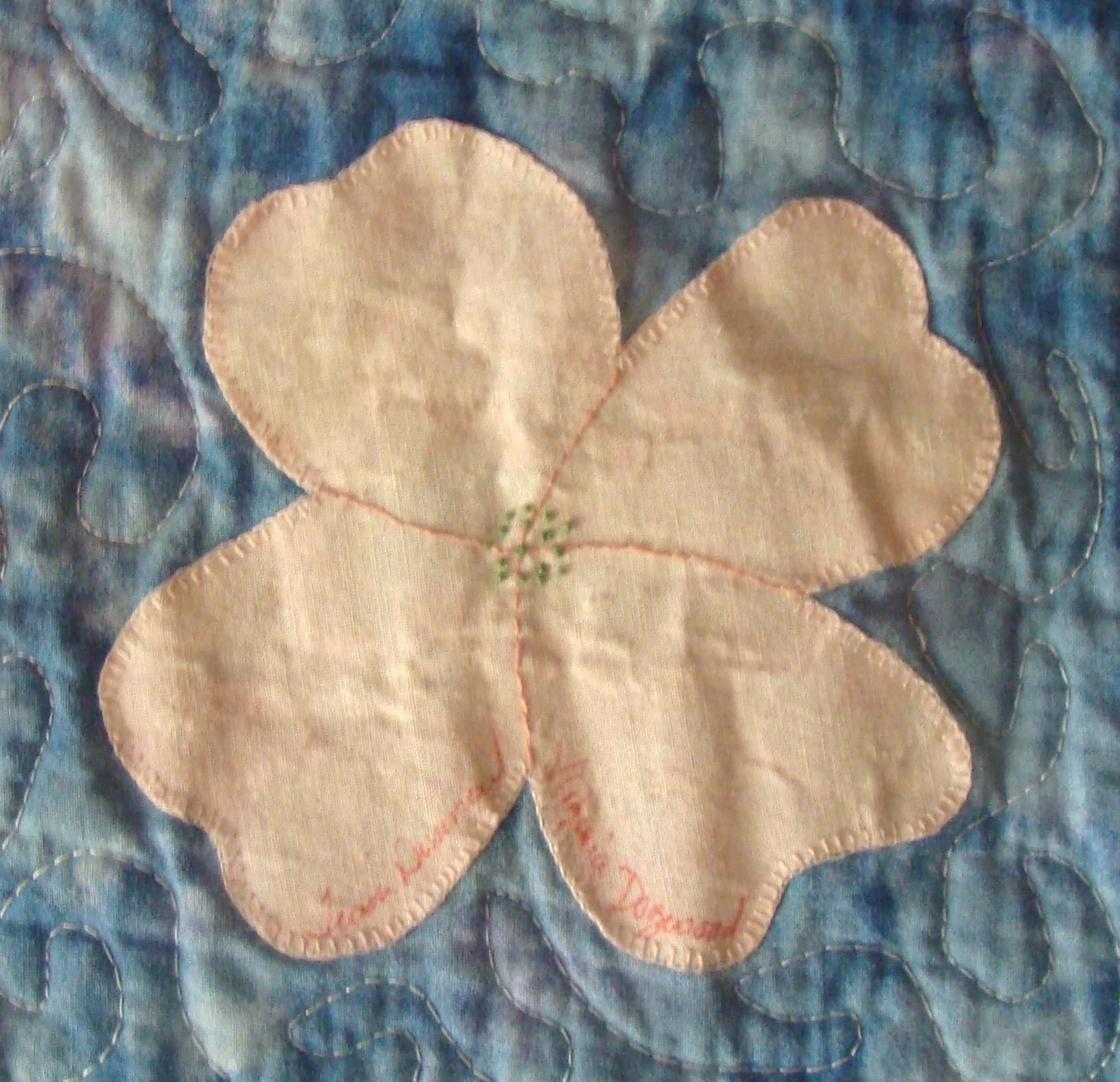
Every block below arrived in a member's mailbox during a past swap — made by a stranger who became a friend. Tap one to see its story.
Browse completed swaps →
*Block names still being verified — [email protected]
Types of quilt swaps and exchanges
Nine major forms of quilting exchange, and which NiftyFifty tool runs each one. Each has its own time commitment, group size, and finished product. Pick the one that matches the rhythm of your sewing life.
The Nifty Fifty Swap
The original — 50 quilters, one per US state, each making a state-themed block. Running since 1997.
Community Swaps
Member-organized exchanges in any theme — holiday prints, low-volume, modern improv, reproduction fabrics, scrappy.
Quilting Bees
Year-long small-group exchanges (6–12 members) with a different queen each month. Every queen receives a quilt's worth of blocks.
Quilt-Alongs (QALs)
What is a quilt block swap?
A quilt block swap is an organized exchange where each participant makes a set number of identical quilt blocks and mails them to other participants. In return she receives one block from every other participant. By the end of the swap, every quilter has a collection of blocks made by many different hands — enough to assemble a finished quilt that nobody could have made alone. Swaps are one of quilting's oldest traditions, going back to 19th-century “friendship quilts” where each woman in a community contributed a signature block. The modern online version emerged in the late 1990s with the rise of email listservs and quilting forums. NiftyFifty launched in 1997 as one of those pioneering communities and has hosted more than thirty organized swaps since, connecting quilters across all 50 US states and twenty-plus countries.
Today's quilt swaps come in many forms — traditional block swaps, year-long quilting bees with rotating queens, round robins where one quilt center passes through many hands, quilt-alongs (QALs) where everyone makes the same pattern, mystery quilts where the design is hidden until the final reveal, block-of-the-month (BOM) programs, fabric swaps, charity quilt programs, and anonymous secret-sister exchanges. Each format has its own rhythm, time commitment, and reward. The shared thread is that the work is done together.
How online quilt block swaps work
- 1
Sign up during the enrollment window
Most swaps have a defined sign-up period (typically two weeks). You provide your mailing address, agree to the rules, and pay any enrollment fee. Some swaps are first-come, first-served; others use lotteries when oversubscribed.
- 2
Read the block specifications
The host shares the block size, fabric requirements, color palette, theme, and shipping deadline. Read it twice. Make a sample block before cutting into your good fabric to confirm size and seam-allowance accuracy.
- 3
Make your blocks
Make one block per participant — for a 20-quilter swap, you make 20 identical blocks. Chain piecing speeds this up. Press seams consistently. Trim each block to exact size with a square ruler. Sign each block on the back with an archival pen.
- 4
Ship to the swap distributor
Most swaps use a central distributor who receives all participants' blocks and re-sorts them. Use a padded mailer with tracking. Confirm shipping with the distributor when the package leaves your house.
- 5
Receive your block bundle and plan your quilt
Two to four weeks after the shipping deadline, you receive a bundle containing one block from each participant. Lay them out on a design wall to plan your setting. Add sashing, alternate blocks, or borders to bring the collection together.
- 6
Swap etiquette — what every swap participant needs to know
The unwritten rules every long-time swap participant takes for granted. New quilters: read these before your first swap.
Read the rules — twice
Block size, color palette, fabric requirements, deadline. Half the swap problems come from quilters who skimmed the rules. Read them through, then read them again the day before you cut.
Pre-wash unless told not to
Different quilters using washed vs unwashed fabric in the same swap produces puckering in the finished quilt. Settle this in the rules and follow it.
Sign every block on the back
Use a Pigma 01 or similar archival pen. Sign your name, the swap name, and the year. Twenty years from now somebody assembling these blocks into her finished quilt will want to know who made which.
Photograph before shipping
Take a good photo (or several) of every block before it leaves your house. If a package goes missing in the mail (and it happens), you'll need the photos to replace.
Ship with tracking
Padded mailers and USPS Priority Mail Padded Flat Rate are the cheapest options with tracking. Hold the tracking number until your recipient confirms arrival.
Communicate early if you can't finish
The day you know you can't make the deadline, tell the host. Don't go silent. Almost every swap has a graceful drop-out process — but only if the host knows.
Quilt swaps from all 50 states
NiftyFifty's signature exchange is the “Nifty Fifty” swap — 50 participants, one per US state, each making a block representative of her home state. Vermont quilters pieced sugar maples; Arizona quilters pieced saguaros; Mississippi quilters pieced magnolias. The finished quilts carry the geographic and cultural variety of the country sewn into them.
Beyond the official Nifty Fifty swap, our community runs state-specific block libraries, regional quilt guild directories, and state-themed quilt-alongs.
A brief history of online quilt swaps
Quilting bees and fabric exchanges go back to the earliest days of American patchwork. Frontier women gathered in each other's homes to share fabric scraps and quilting labor — no household had enough of either to finish a quilt on its own. By the mid-19th century, “friendship quilts” had become a formal tradition: each woman in a community contributed a signed block, and the recipient assembled them into a quilt that carried the handiwork of dozens of friends.
The shift online happened in the mid-1990s. Email listservs and early forums hosted the first organized internet swaps, where quilters across the country — and soon across the world — could participate without ever meeting. NiftyFifty launched in 1997as one of those pioneering communities. Our first swap drew 28 quilters across 22 states. Twenty-seven years and 30+ swaps later, we've connected quilters from all 50 US states and more than 20 countries.
The format has continued to evolve. Year-long quilting bees (Stash Bee, founded 2012, ran one of the first large-scale online bees), mystery quilts (Bonnie Hunter's annual Quiltville mystery has run since the mid-2000s), QALs hosted on Instagram and YouTube, and secret-sister exchanges through closed Facebook groups have all extended what the original block swap began. The shared thread is unchanged: quilters making things for other quilters, mailed across distances, finished into something none of them could have made alone.
Frequently asked questions about quilt swaps
What is a quilt block swap?+
A quilt block swap is an organized exchange where each participant makes a set number of identical quilt blocks and mails them to other participants in the group. In return, she receives one block from every other participant. By the end of the swap, every participant has a collection of blocks made by many different quilters — enough to assemble a finished quilt that nobody could have made alone.
How does an online quilt block swap work?+
Each swap has a host, a theme, a block specification (size, style, color palette), a participant cap, and a shipping deadline. Quilters sign up during the enrollment window, make the agreed number of identical blocks, and mail them to a central distributor (or directly to each other, depending on the swap format). The distributor sorts and ships one block from every participant back to each person. Most online block swaps run two to four months from sign-up to receiving your finished block bundle.
Are online quilt block swaps free?+
Most online block swaps charge a small enrollment fee (typically $5–20) to cover host coordination, shipping logistics, and any swap-wide supplies. The fee is significantly less than the value of the blocks you receive back. Some guild-run swaps and informal community swaps are free; commercially organized swaps with prizes or kits charge more. NiftyFifty's flagship Nifty Fifty swap (one quilter per state) has historically run at a modest fee.
Deep guides to every form of quilting exchange
Each of these guides goes deep on one exchange format — written in the voice of an experienced quilter who's been through dozens of swaps. History, etiquette, common pitfalls, and what to do when things go sideways.